Mapping Player Retention Through Layered Incentive Cycles in Virtual Betting Environments
Written by Taylor Krüger · Sep 2, 2026
Mapping Player Retention Through Layered Incentive Cycles in Virtual Betting Environments
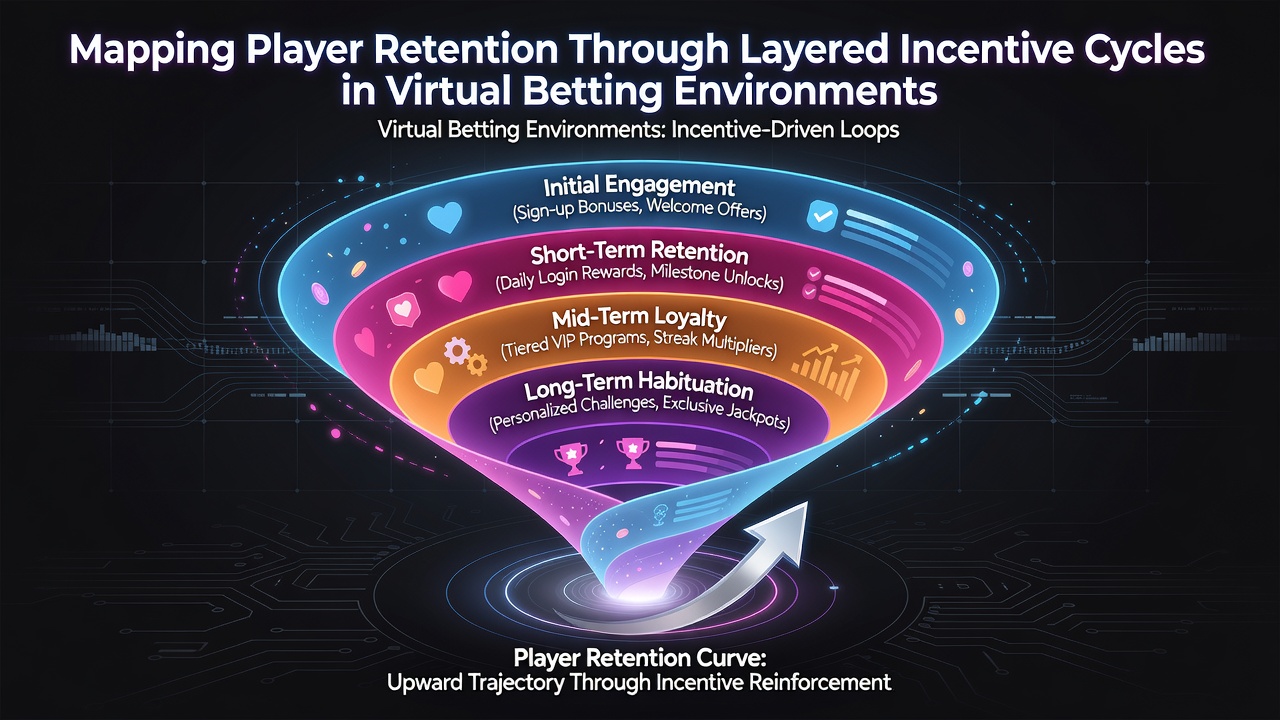
Virtual betting platforms structure player retention around layered incentive cycles that combine initial welcome bonuses, ongoing loyalty tiers, and time-limited challenges, while operators collect behavioral data to refine these mechanisms over successive periods. These cycles operate through sequential stages where each layer builds on the previous one, creating pathways that encourage repeated logins and sustained wager activity across weeks or months. Data from multiple markets shows how such structures align reward frequency with player segments, allowing platforms to adjust thresholds based on observed participation rates.
Core Components of Incentive Layering
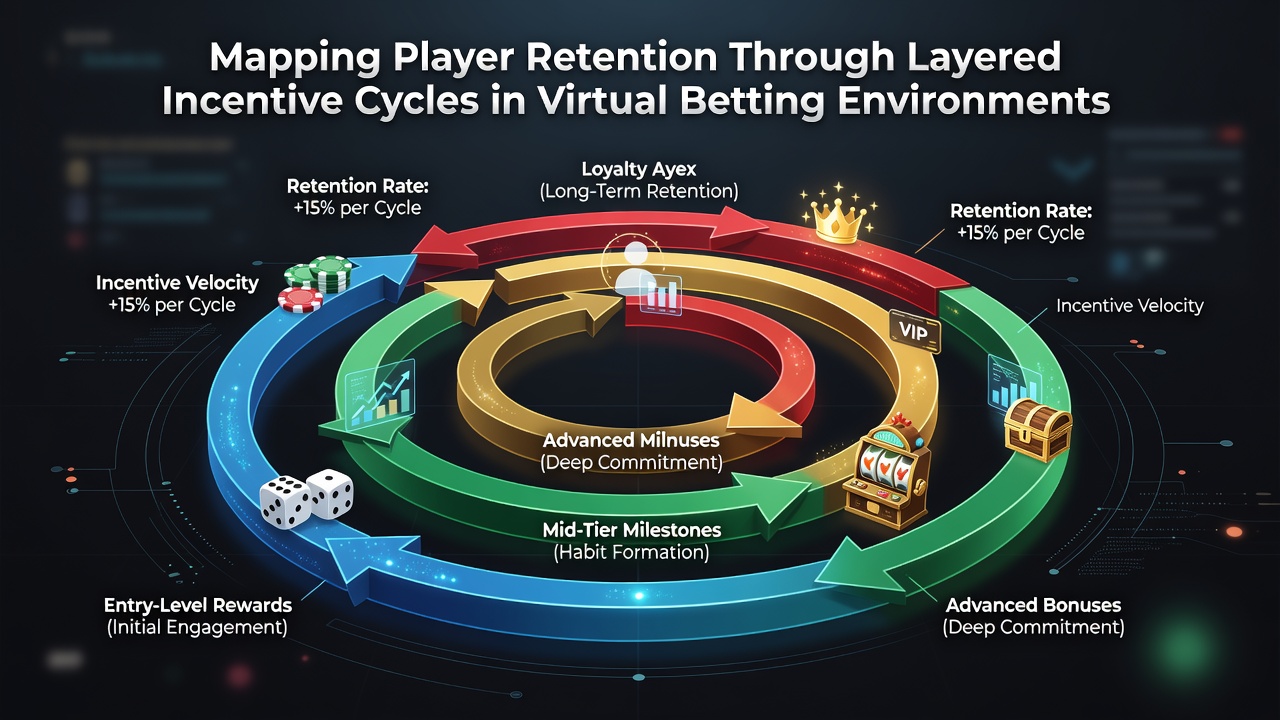
Initial entry points typically feature deposit matches or free spin allocations that introduce new accounts to core game loops, after which systems shift toward streak-based rewards and milestone unlocks that require consistent returns within defined windows. Platforms track these transitions by monitoring metrics such as session length, average bet size, and completion rates for each cycle stage, then feed the information into automated adjustment algorithms. Researchers at institutions including the University of Nevada, Las Vegas have documented how these layered systems produce measurable differences in retention curves when compared against flat reward models, with segmented cohorts showing distinct response patterns to progressive versus static incentives.
Time-bound challenges form the outer layer in many implementations, where weekly or monthly objectives reset on fixed schedules and tie into larger seasonal events that coincide with major sporting calendars. Operators integrate these elements so that players who complete early tiers automatically receive access to higher-value opportunities, creating a natural progression that reduces the need for external prompts. In September 2026, industry reports noted increased adoption of predictive modeling that anticipates drop-off points within these cycles and deploys targeted micro-incentives to maintain momentum before full disengagement occurs.
Data Mapping and Retention Tracking
Retention mapping relies on cohort analysis that groups players by entry date and incentive exposure, then measures survival rates at intervals of seven, thirty, and ninety days. Platforms layer additional variables such as game type preference and deposit frequency onto these timelines, producing heat maps that highlight which incentive combinations correlate with longer active periods. External data sources, including figures released by the Nevada Gaming Control Board, provide aggregate benchmarks that operators cross-reference against their internal dashboards to validate cycle effectiveness across jurisdictions.
Advanced implementations incorporate machine learning classifiers that assign real-time retention scores to individual accounts based on recent activity vectors, allowing the system to escalate or de-escalate incentive intensity without manual intervention. These scores draw from multi-dimensional datasets that include not only wager totals but also social features such as tournament participation and friend referrals when available. Observers note that platforms operating in regulated markets outside the UK, such as those under the Malta Gaming Authority framework, publish periodic transparency summaries that outline how incentive spend distributes across retention brackets.
Regional Variations and Regulatory Influences
European operators often emphasize deposit-limit integration within incentive cycles to align with consumer protection directives, whereas North American platforms place greater weight on sports-specific challenges tied to league schedules. Australian regulatory filings reveal similar patterns where state-level reporting requirements prompt operators to document retention outcomes separately from promotional expenditure. These geographic differences produce distinct cycle architectures, yet the underlying data collection methods remain comparable across borders because platforms share common software providers that standardize tracking protocols.
Academic reviews of longitudinal datasets indicate that players exposed to three or more synchronized incentive layers demonstrate higher ninety-day retention than those receiving isolated promotions, although the magnitude of improvement varies by market maturity and average player age. One study released through the American Gaming Association research portal examined anonymized records spanning multiple operators and found consistent uplift when cycle resets aligned with external events such as major tournaments or fiscal quarter starts. Platforms continue to refine these alignments through A/B testing frameworks that isolate single variables while holding others constant.
Conclusion
Layered incentive cycles in virtual betting environments function as interconnected systems that link entry rewards to sustained engagement mechanisms through continuous data feedback. Retention mapping provides operators with granular visibility into where players advance or stall within these sequences, enabling precise calibration of reward timing and value. As regulatory environments evolve and data collection capabilities expand, the precision of these mappings increases, supporting more targeted cycle adjustments across diverse player populations and geographic markets.