The Synchronization of Multi-Tiered Incentives Across Remote Gaming Ecosystems
Written by Klara Schmidt · Oct 28, 2026
The Synchronization of Multi-Tiered Incentives Across Remote Gaming Ecosystems
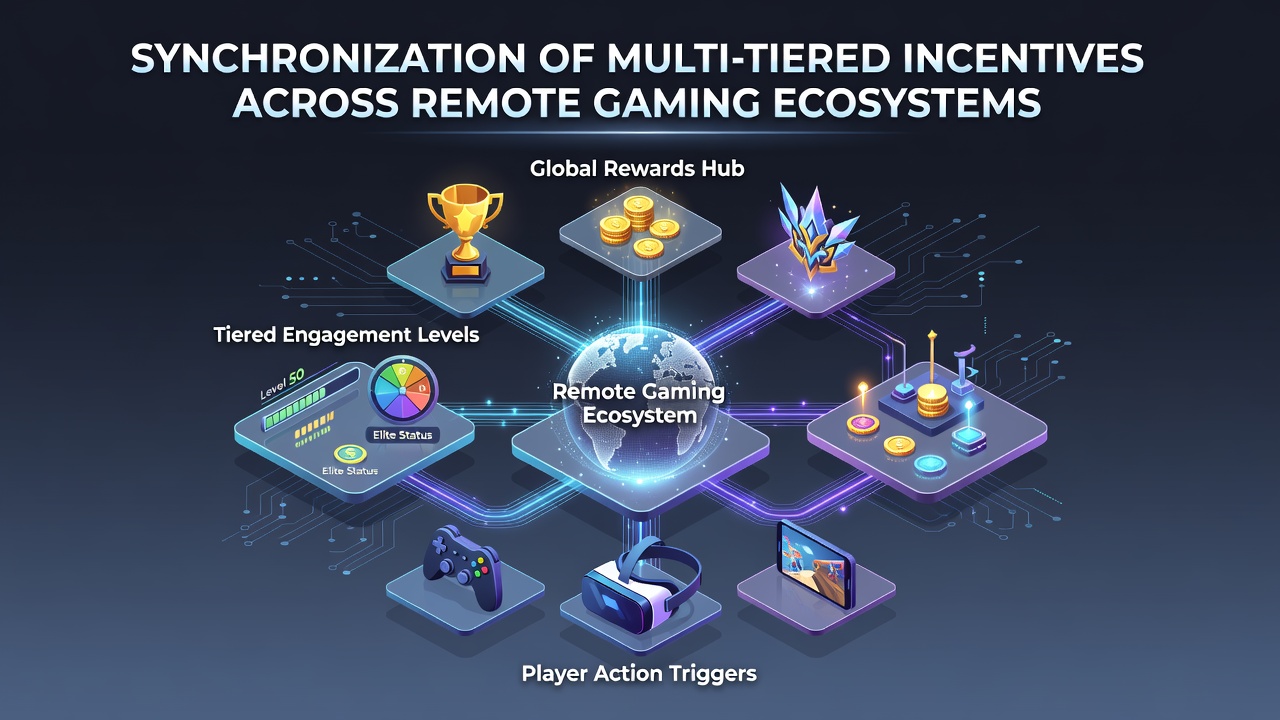
Remote gaming platforms have developed layered incentive programs that track player activity through points, levels, and rewards distributed across multiple devices and operators. These structures assign value to deposits, wagers, and session lengths while adjusting rewards based on cumulative behavior over time. Synchronization occurs when systems align data from separate environments so that progress in one tier carries forward to others without duplication or loss.
Core Components of Tiered Incentive Programs
Operators maintain base, intermediate, and premium tiers that unlock cashback rates, bonus credits, and access to exclusive events. Data from transaction logs feeds into centralized ledgers that update tier status in real time. Research from the University of Nevada, Las Vegas Center for Gaming Research indicates that synchronized systems reduce player churn by aligning reward triggers across sessions that begin on mobile applications and continue on desktop clients. Points earned during live dealer games transfer automatically to virtual slot progress bars when players switch platforms within the same ecosystem.
Data Integration Methods Used by Operators
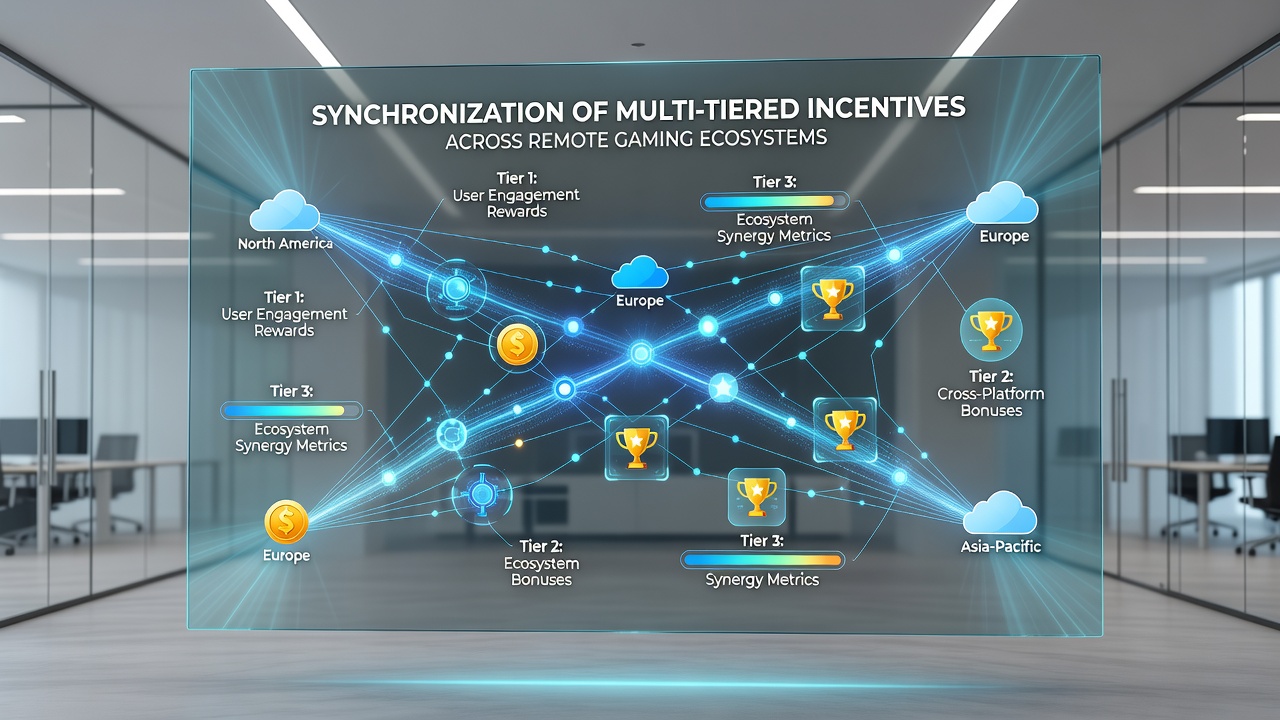
Application programming interfaces connect disparate game servers to a single player profile database. These interfaces pull metrics such as wager volume and time spent from each remote environment then apply weighted formulas to calculate tier advancement. Observers note that operators using unified ledgers achieve consistent reward delivery whereas fragmented databases create delays that interrupt progression. In October 2026 industry reports are scheduled to detail new protocols that standardize data exchange formats among North American and European platforms to further streamline these calculations.
Regional Regulatory Influences on Synchronization Practices
Agencies such as the Nevada Gaming Control Board require operators to maintain audit trails that verify reward calculations remain consistent across jurisdictions. Similar requirements appear in guidelines issued by the Australian Communications and Media Authority which emphasize transparency in how multi-platform activity contributes to loyalty status. These rules drive the adoption of timestamped transaction records that prevent discrepancies when players move between licensed remote sites. Figures released by the International Association of Gaming Regulators show that synchronized incentive tracking now covers over 65 percent of licensed remote operators in monitored markets.
Technical Challenges in Cross-Platform Alignment
Latency issues arise when high-volume periods overload the central servers that reconcile tier updates. Developers address these bottlenecks through distributed ledger technology that records each reward event across multiple nodes before final confirmation. One study from the Canadian Institute for Gaming Research found that adoption of such ledgers cut reconciliation errors by 42 percent in test environments during 2025. Operators also implement fallback protocols that pause new tier calculations until full data sets arrive from all connected platforms.
Examples of Successful Ecosystem Integration
Take the case of a major platform group that linked its European and Asian remote properties through a shared loyalty engine. Players who reached the top tier on desktop poker rooms automatically received equivalent status in the mobile sports betting application with adjusted reward multipliers. This approach relied on nightly batch processing combined with live event triggers that updated balances within seconds of each qualifying action. Reports from the European Gaming and Betting Association document similar patterns among operators that expanded their networks in 2025.
Future Protocols Expected by October 2026
Industry working groups plan to release updated technical standards in October 2026 that specify encryption methods for transmitting tier data between competing ecosystems. These standards aim to allow limited interoperability so that players who switch operators can carry forward a portion of accumulated progress under regulated conditions. Preliminary testing conducted by the Asia Pacific Association of Gaming Regulators demonstrated that controlled data sharing maintained compliance while reducing the administrative burden on individual platforms. Implementation timelines vary by jurisdiction yet several major operators have already allocated resources for the required system upgrades.
Conclusion
Multi-tiered incentives in remote gaming continue to evolve through coordinated data systems that link activity across devices and operators. Regulatory frameworks from multiple regions shape how these systems operate while technical solutions address integration challenges. Scheduled updates in October 2026 are positioned to expand the scope of synchronization and establish clearer guidelines for cross-platform reward management.