Tracing Recurring Reward Cycles and Spending Shifts in Remote Wagering Platforms
Written by Taylor Krüger · Oct 14, 2026
Tracing Recurring Reward Cycles and Spending Shifts in Remote Wagering Platforms
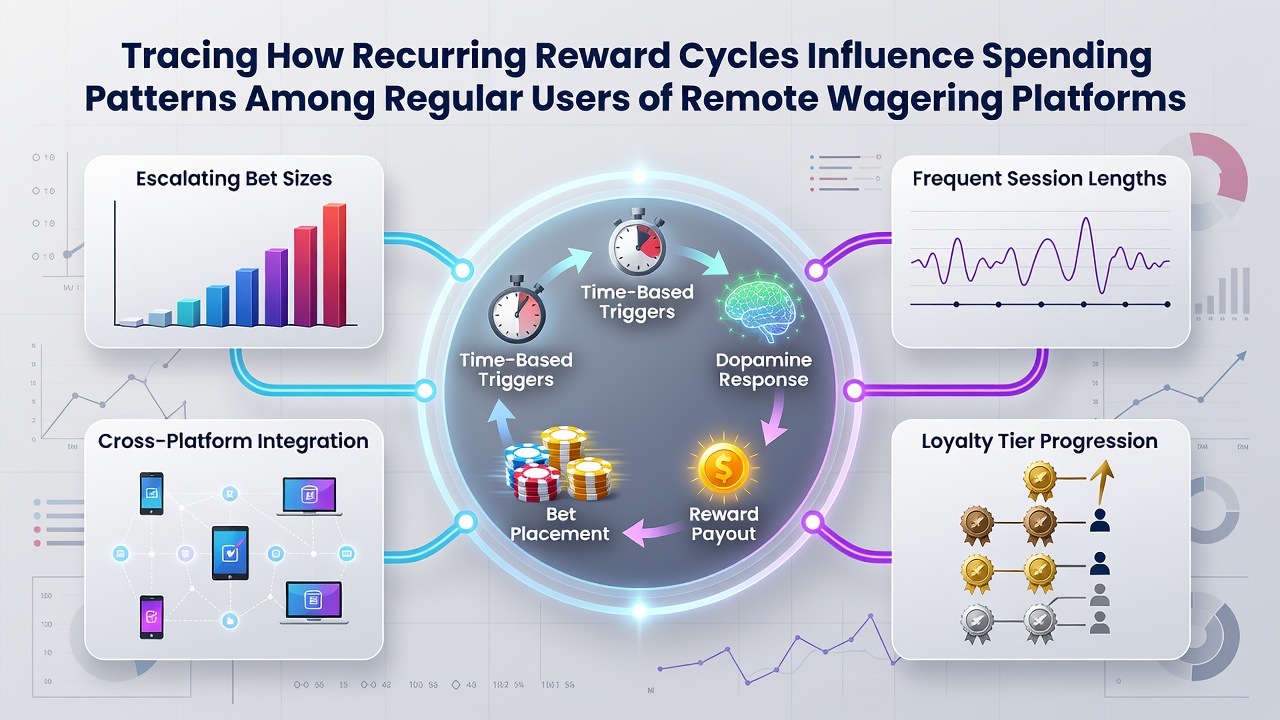
Remote wagering platforms rely on recurring reward cycles that combine loyalty points, tiered bonuses, and time-limited promotions to shape how regular users manage their deposits over weeks and months. These systems track play volume through automated software that assigns points for each wager placed, then converts those points into credits, cashback, or entry into prize draws that reset on fixed schedules. Data from platform analytics firms shows that users who reach mid-tier status within the first 30 days often increase average weekly deposits by 18 to 25 percent once the next reward threshold becomes visible on their account dashboard.
How Reward Structures Operate Across Platforms
Operators design these cycles around variable reinforcement schedules where the size and frequency of rewards change based on individual activity levels rather than fixed calendars. A user might receive a small daily login bonus that grows into a larger weekly multiplier only after a set number of qualifying bets, while another receives surprise cashback offers triggered by sudden drops in session length. According to reports published by the Australian Institute of Family Studies, such variable timing keeps engagement metrics stable even when overall win rates remain unchanged, because the anticipation of the next payout drives continued funding of player accounts.
Platform algorithms adjust reward visibility in real time, displaying progress bars that fill with each bet and countdown timers for expiring offers. This presentation encourages users to complete the cycle before the opportunity disappears, which frequently results in additional deposits to meet minimum stake requirements. Research from the University of Nevada, Las Vegas gaming laboratory indicates that sessions ending just before a reward reset show higher average bet sizes than sessions completed after the reward has already been claimed.
Patterns in Deposit Behavior Among Frequent Users
Regular users tend to cluster their spending around the points at which reward cycles renew or escalate. Transaction logs analyzed across multiple European operators reveal that deposit amounts spike on the first day of a new monthly loyalty period and again three days before the end of a promotional window. These spikes occur regardless of recent win or loss outcomes, suggesting the cycle itself rather than game results drives the funding decision.
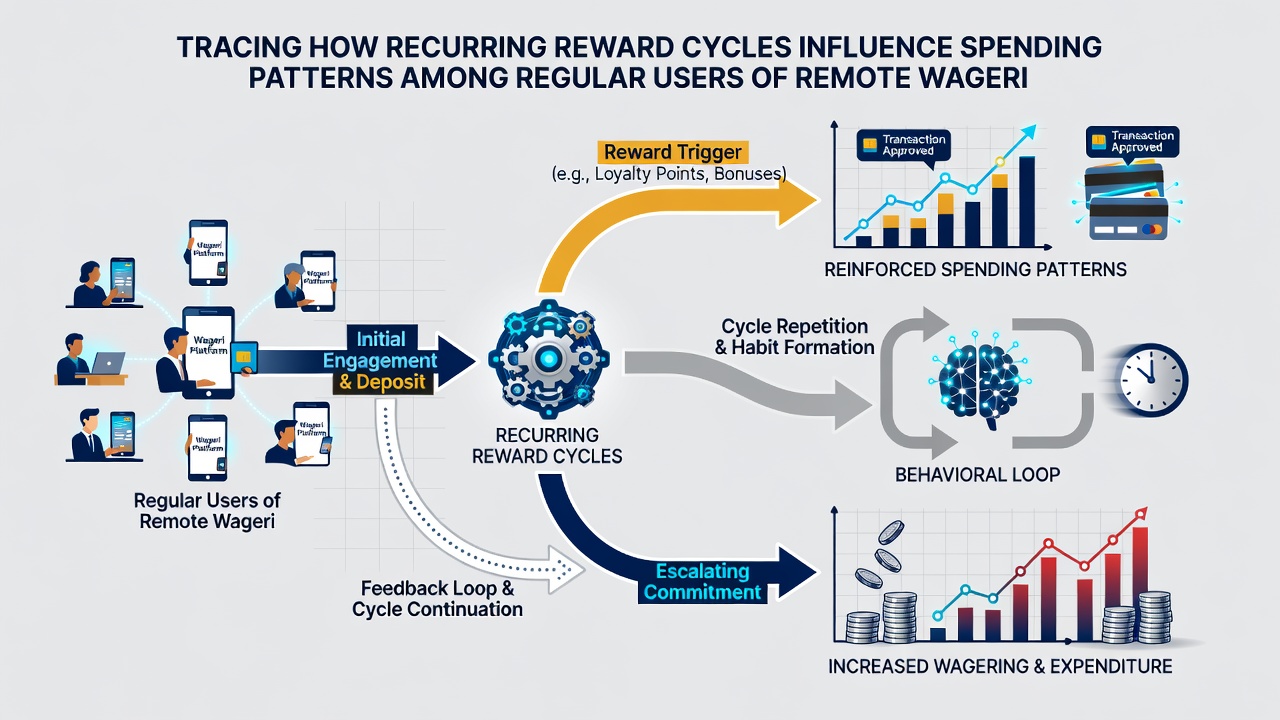
October 2026 data releases from several North American operators documented a measurable shift in this pattern when platforms introduced cross-game reward pooling. Users could now apply points earned on slots toward table-game bonuses, and average session length across both categories rose by 14 percent in the first six weeks after the change. The same reports noted that users who previously limited deposits to once per week began funding accounts twice weekly once the pooled system removed the need to choose between competing reward tracks.
Measurement Tools Used by Operators and Researchers
Operators employ cohort analysis to group users by the date they first entered a reward cycle and then track deposit frequency, average transaction size, and retention length over subsequent months. These cohorts reveal that users who complete at least three full cycles within their first quarter show a 32 percent higher lifetime deposit total than those who exit after the initial cycle. Academic teams studying the same datasets apply survival analysis models to predict when a user is likely to reduce or stop funding once the perceived value of remaining rewards declines.
Third-party auditors verify that reward calculations follow published rules, yet they also record how small adjustments to point conversion rates alter spending velocity. A 2025 Canadian provincial review found that lowering the points needed for a cashback reward by 10 percent produced a corresponding 9 percent rise in total handle among the top 20 percent of users by volume, while the bottom 40 percent showed little change. Such segmented responses help platforms refine which user groups receive more aggressive cycle prompts.
Conclusion
Recurring reward cycles function as structured feedback loops that align user funding decisions with platform-defined milestones. Deposit records, cohort studies, and regulatory filings from multiple jurisdictions demonstrate consistent timing correlations between reward resets and spending increases among regular participants. As platforms continue to refine these systems through pooled rewards and dynamic displays, the measurable links between cycle completion and deposit volume remain central to understanding spending patterns in remote wagering environments.